Spring in your step
Ecclesiastes 3:2. A time to plant, and a time to pluck up what has been planted.
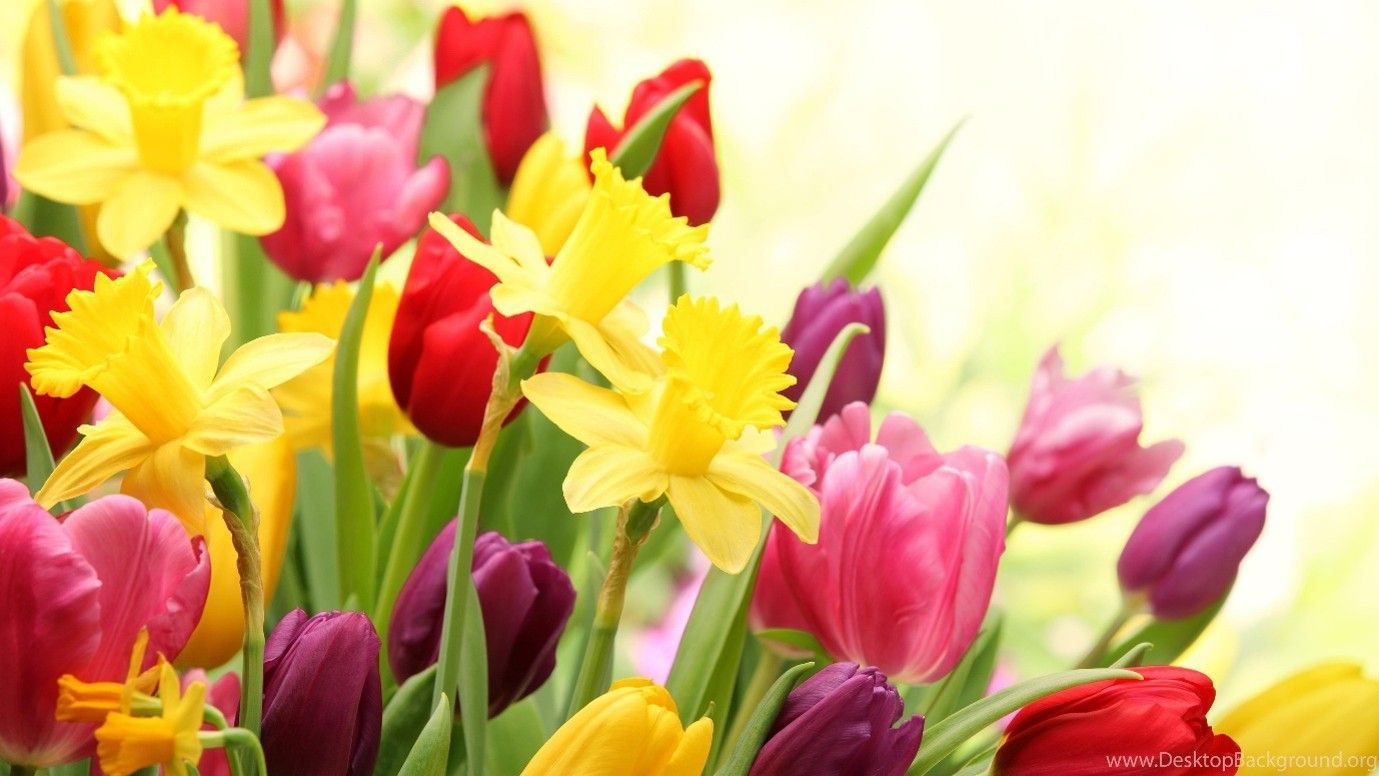
September in the Southern hemisphere is spring time. The concept of seasons is captured in Ecclesiastes 3. In the text, Solomon, the wisest man recorded in biblical history, juxtaposed fourteen concepts. These concepts are recorded in verses 2-8. The mathematical structure of these verses from the outset establishes that these seasons are divinely ordained. The 7 verses, verses 2-8, are written with 217 Hebrew letters. The number 217 is the product of 7 x 31. In Bible numerology the number 7 is the number of divine completion. As each letter in Hebrew has a numerical value, the sum of the two letters aleph and lamed, א = 1 and ל = 30, is 31. These two letters spell the word, God, El אל. Verses 2-8 then can be understood to capture the divine completeness of the creation.
This is underscored by the fact that the word time, עת at, in Ecclesiastes is used 28 times. This number is the exact number of Hebrew letters used in Genesis 1:1 in a total of 7 words: בְּרֵאשִׁית בָּרָא אֱלֹהִים אֵת הַשָּׁמַיִם וְאֵת הָאָרֶץ, beresheet bara Elohim et hashamayim ve’et ha’arets. In the beginning God created the heavens and the earth. Ecclesiastes 3 by deduction expands on Genesis 1:1.
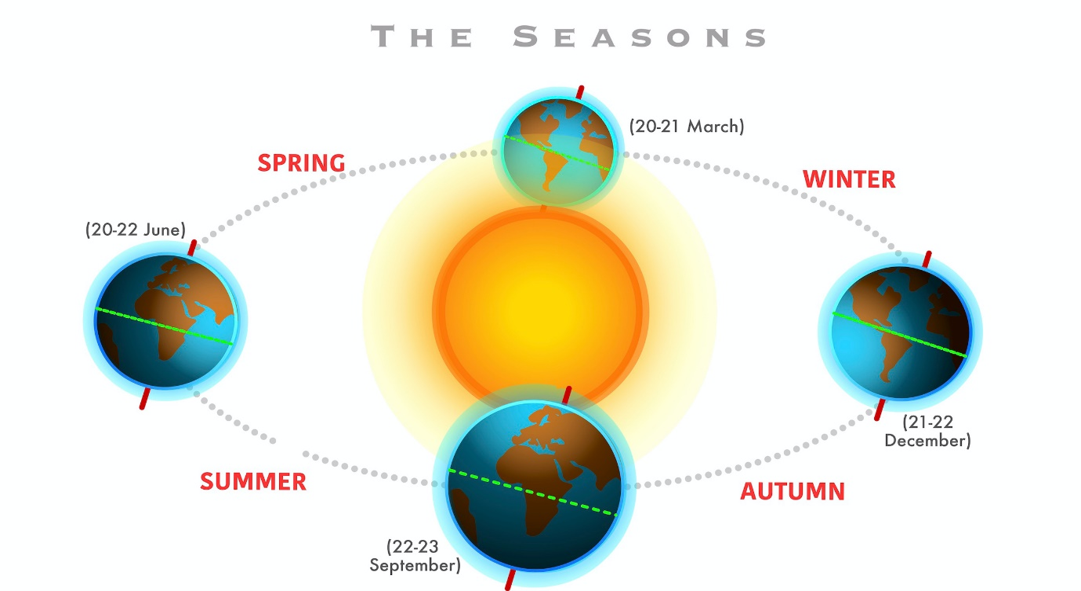
Verse 2 contrasts planting with harvesting: a time to plant, and a time to pluck up what has been planted. This, on the surface, seems to refer to two seasons of the year, spring and autumn, which it obviously is. The verse however does much more than that.
While spring is celebrated in the Southern hemisphere, the exact opposite happens in the Northern hemisphere. Spring in the Southern hemisphere is celebrated by Argentina on 21 September, one or two days before the actual spring equinox. In Australia the biggest celebration of spring transforms the Commonwealth Park with over one million blooming bulbs. Features include night illuminations on the Night Fest from 1–4 October which has live music, food markets, and horticulture workshops.
In South Africa, spring day is celebrated on 1 September. Traditions in South Africa range from having a traditional braai to shaving your head and beard. In many townships, children celebrate Spring Day by spraying each other with water. In the urban settlements everyone participates.
In the Northern hemisphere, at this time, autumn is celebrated. Germany celebrates with the annual Oktoberfest, the world’s largest beer and folk festival, which begins in late September in Munich. It features traditional Bavarian music, food, and massive beer tents.
China and East Asia celebrate the Moon Festival. Families gather in September or October to eat mooncakes, light vibrant lanterns, and appreciate the full moon. Many harvest celebrations take the form of thanksgiving like USA and Canada. North American harvest festivals focus on gratitude, family reunions, and large roasted feasts celebrated in October in Canada and November in the USA. South Korea celebrates a major three-day mid-autumn harvest festival, Chuseok, where people travel back to their ancestral homes to share traditional foods like songpyeon and give thanks.
In the light of these celebrations, Ecclesiastes does not merely point out that there are two different seasons but, firstly that it is always seed time somewhere in the world. Secondly, whichever season it is, it is celebrated, and thirdly it tacitly points to the fact that planting the seed in spring time, produces the harvest in autumn.
This promise that seedtime and harvest time will remain is reflected and being fulfilled by the juxtaposition of Ecclesiastes 3:2. While it is planting time in one part of the world, it is harvesting time in another.
Seed time and harvest time is a concept that appears in the Bible in the first Chapter of Genesis. Genesis 1:11-12 reads “Then God said, ‘Let the earth sprout vegetation, plants yielding seed and fruit trees bearing fruit in which is their seed, each according to its kind, on the earth’. And it was so. The earth brought forth vegetation, plants yielding seed according to their own kind, and trees bearing fruit in which is their seed, each according to its kind. And God saw that it was good”.
After the creation, God destroyed the earth with a flood in the days of Noah, Genesis 8:22. He and his family were saved and God made His covenant with Noah which is recorded in Genesis “While the earth remains, seedtime, and harvest, and cold and heat, and summer and winter, and day and night shall not cease”.
The narrative of Noah is mostly associated with the ark and the supernatural gathering of the animals onto the ark. Noah was the tenth generation from Adam. Genesis describes this generation as corrupt and filled with violence. God destroyed every living thing in the Flood. For forty days and nights it rained. It took 150 days after this before the waters abated and Noah left the ark approximately a year after the Flood started. The promise God gave to Noah was not only that God would never again destroy the earth with a flood, but that from this time on according to Genesis 8:22, seed time and harvest time will remain.
It is no coincidence that the first parable Jesus told was the parable of the Sower recorded in Matthew 13. Jesus said as the Sower sowed, some seeds fell on the path, some on rocky ground, others between the thorns and yet some others on good soil. The letter nun has a pictograph of a seed. Nun is the 14th letter of Hebrew alphabet, which can be expressed by 7 + 7. When Jesus explained this parable to the disciples, He said that the seed was the Word of God. From this it can be deduced that the seed refers to the physical and spiritual.
In the spiritual realm it is still the season for planting. Only the one who hears, understands, and applies the Word will produce a great harvest. May we have ears to hear, hearts to understand, and lives that bear abundant fruit.
“Other seeds fell on good soil and produced grain, some a hundredfold, some sixty, some thirty. He who has ears, let him hear,” Matthew 13:8.